

Meet the ELC Class of 2026

Updated: Sep 24
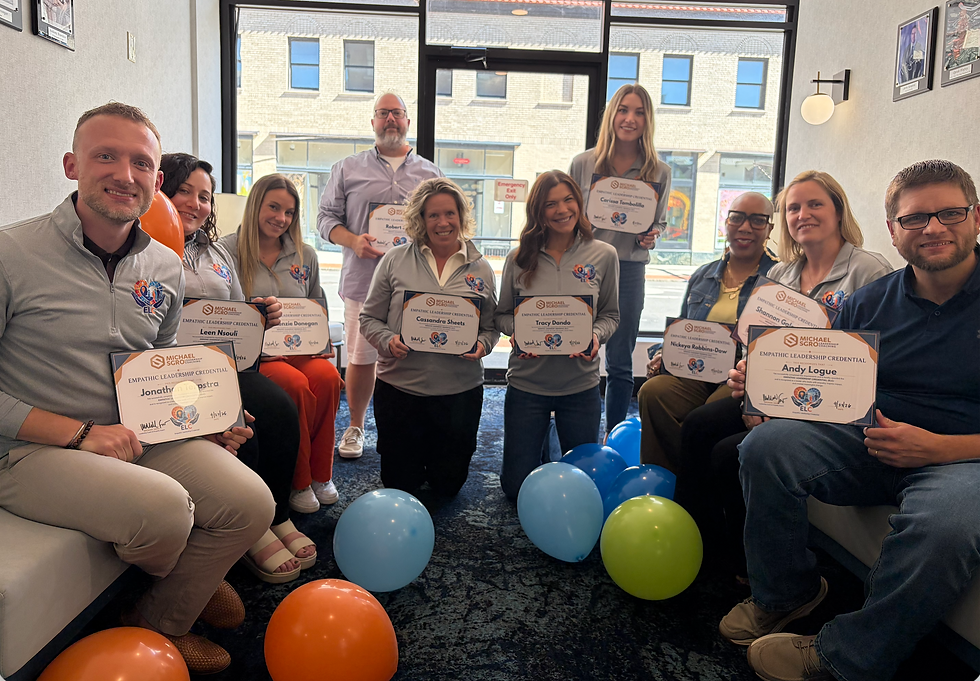
Nickeya Robbins-Dow is a dedicated human services professional and Employee Coach with Loretto, where she is committed to supporting older adults and enhancing the quality of care for residents. Known for her compassion, professionalism, and people-first approach, Nickeya takes pride in building meaningful relationships with residents, families, and colleagues. She is passionate about creating a positive, supportive environment that reflects Loretto's mission of providing exceptional care with dignity and respect.
Andy Logue serves as the Chief People, Culture, and HR Officer at the YMCA of Central New York, where he leads human resources, talent development, and organizational culture initiatives. With more than two decades of leadership experience spanning human resources, operations, and employee development, Andy is passionate about creating workplaces where people feel supported, empowered, and inspired to grow. He is committed to fostering a culture of collaboration, learning, and service that strengthens both the YMCA team and the communities they serve.
Mackenzie Donegan serves as the Director of Community Engagement at The Marrone Law Firm, where she builds meaningful relationships with clients, community partners, and local organizations throughout Central New York. A graduate of SUNY Oswego with a degree in Mass Communications and Broadcast Journalism, Mackenzie brings a strong background in communications, outreach, and public engagement. She is passionate about connecting families with valuable elder law and estate planning resources while helping strengthen the firm's commitment to serving the community.
Rob Sroka serves as Director of Employee Engagement and Safety at CNY Health Home Network (CNYHHN). He is responsible for talent acquisition, employee relations, benefits administration, compliance, and organizational development, helping to foster a positive workplace culture that supports CNYHHN's mission of improving care coordination and health outcomes across Central New York. Rob is committed to building and supporting high-performing teams while ensuring employees have the resources and opportunities to succeed.
Jonathan Terpstra is an HR Business Partner at Syracuse University, where he partners with leaders across the university to provide strategic human resources guidance. He works closely with departments to support talent management, employee relations, organizational effectiveness, and workforce development, helping advance the University's mission through thoughtful people-focused solutions.
Cassandra Sheets, LMSW, is the Chief Executive Officer of the Center for Family Life and Recovery (CFLR), where she leads the organization's mission to inspire hope, provide help, and promote lifelong wellness for individuals and families impacted by addiction, mental health, and behavioral health challenges. A visionary nonprofit leader with more than a decade of executive experience, Cassandra is recognized for her collaborative leadership, commitment to innovation, and passion for strengthening communities across Central New York.
Leen Nsouli is a business strategist, consultant, and educator based in Syracuse, New York. A proud Syracuse University alumna with a triple major undergraduate degree and an MBA from the Whitman School of Management, she is now an adjunct professor at Whitman and a Lead Instructor with the Center for Student Excellence at Syracuse University, where she brings a real‑world, collaborative approach to helping students turn ideas into action. She is passionate about empowering emerging innovators through experiential learning and meaningful connections across the Syracuse business community.
Leen has built her career at the intersection of market insights, data‑driven strategy, and education. With a background as an industry analyst and commercial leader with Circana, she offers practical, insight‑led guidance in consulting and business development, while supporting Circana’s global clients through thoughtful, collaborative partnership.
Tracy Dando is a coach, speaker and dedicated professional at Vera House, where she works to support individuals, families, and communities affected by domestic and sexual violence. She is passionate about helping others, building awareness, and creating a safer, more compassionate community.
Shannon Galarneau is a licensed clinical social worker and Director of Clinical Services at Vera House. She brings experience in trauma, addiction, and mental health services, with a strong commitment to supporting survivors and helping people move toward healing and empowerment.
Carissa Tombolillo, SHRM-CP is a Human Resources professional at Oswego Health, where she serves as an HR Business Partner supporting employee relations and performance management across multiple locations. Her work includes supporting employees and leaders with performance reviews, leave guidance, onboarding and off-boarding, and other key employee needs.
What ELC Candidates Value
Candidates who pursue the Empathic Leadership Credential (ELC) value leadership that puts people first. They believe empathy is not simply a personality trait—it's a measurable, learnable, and strategic leadership competency that strengthens relationships, improves decision-making, and creates healthier workplace cultures. The ELC is designed for professionals who are committed to leading with authenticity, emotional intelligence, accountability, and compassion.
ELC candidates value:
Leading with empathy by understanding others' perspectives while making thoughtful, people-centered decisions.
Emotional intelligence as a foundation for effective communication, self-awareness, resilience, and conflict resolution.
Authenticity and integrity, choosing to lead with honesty, humility, and consistency.
Trust and psychological safety, creating environments where people feel respected, valued, and empowered to contribute.
Personal and professional growth, recognizing that exceptional leadership is a continuous journey of learning and self-reflection.
Stronger relationships, knowing that meaningful connections drive collaboration, engagement, and lasting organizational success.
Positive workplace culture, where kindness, accountability, inclusion, and shared purpose are woven into everyday leadership.
Influence through service, understanding that the best leaders elevate others rather than simply direct them.
A recognized standard of excellence, demonstrating a commitment to people-centered leadership that extends beyond technical expertise.
More than a credential, the ELC represents a commitment to becoming the kind of leader who inspires trust, strengthens communities, and leaves people better than they found them. ELC candidates believe that leadership is measured not only by results, but by the positive and lasting impact they have on the lives of others.


Comments